
MI London vs Sunrisers Leeds Dream11 picks: opening night fantasy read
The Hundred Men's 2026 opens at Kennington Oval with a defending-three-peat MI London side meeting a retooled Sunrisers Leeds. Predicted XIs, captain cases, and the conditions read for fantasy selection.
Match basics and timing
The sixth edition of The Hundred Men's Competition begins on Tuesday evening, with MI London hosting Sunrisers Leeds at Kennington Oval. The fixture is the first of 34 scheduled matches across eight English venues, with the round-robin and knockout phase running from 21 July through to the final on 16 August. The Hundred remains a 100-ball-per-side format, distinct from T20 cricket, which has consequences for the fantasy point table and the way credit should be allocated across roles.
The start times matter more than usual for fantasy selection. The match begins at 11:00 PM IST, which is 6:30 PM local in London — late enough for the Oval's evening dew to begin forming in the second half of the chase. The 5:30 PM GMT slot is the early-evening window for the UK audience, but for selectors locking in a Dream11 team from India, the relevant time horizon is the back end of the fixture. The conditions read we publish below is anchored to that window.
Why timing matters here
Late-July evening fixtures at the Oval carry a known dew window. The toss decision in chases is worth more than usual, and fantasy picks that bank on a full second-innings run chase should be valued above picks that bank on early-innings swing bowling.
Pitch, weather and the chase-friendliness read
The Oval's surface has historically been bowler-friendly in the first hour, with carry and a touch of lateral movement off the seam. The pitch settles as the match progresses, and batting becomes measurably easier in the second half — particularly when evening dew is in play. Spinners tend to get limited grip from this surface compared with venues like The Oval's spin-friendly Indian equivalents; the early-overs workload is more useful to pace bowlers who can hit the hard length.
The Tuesday forecast for London is partly cloudy with temperatures around 23°C and humidity near 52 percent. Those numbers point to a usable but not extreme evening dew window. The dew is unlikely to arrive early enough to flatten the first-innings seam movement, but it should be a material factor by the time the chase reaches the second half of its allocation. For fantasy selection, that translates into a captain-case bias toward the chasing side and toward batters who bat in the middle-to-late phase rather than at the top.
Wind is a secondary factor. The Oval is open enough that cross-breezes can affect the slower-ball trajectory of death-overs bowlers, and selectors who track bowler-by-bowler slower-ball reliability should not over-weight Oval numbers drawn from still-air sessions.
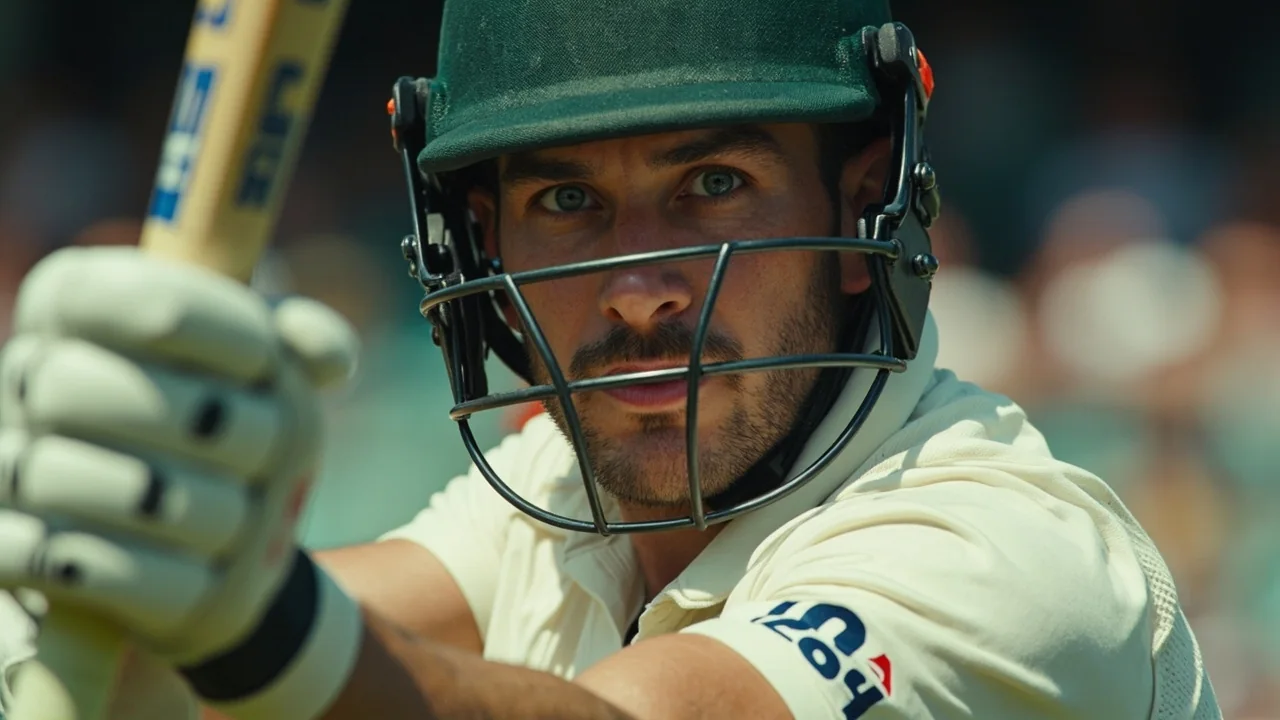
The captain-case split
The two viable captain picks for fantasy selection both sit in the middle order — one for power and one for consistency. The toss will not change that the surface favours late-innings batters; it will only change which middle-order name has the higher ceiling.
MI London's three-peat bid
MI London enter the new campaign as three-time defending champions. No Hundred side has won three consecutive men's titles, and only one franchise in the broader English short-form calendar has matched the streak in recent memory. The achievement sits on top of an off-season identity shift — the franchise's previous Oval Invincibles branding has been retired in favour of the MI London identity, aligning the side with the Mumbai Indians global franchise group.
The rebrand is not cosmetic. The pre-season squad-building has been more deliberate than in previous years, with Sam Curran retained as captain and the overseas slot structure built around Rashid Khan at first-change spin and Trent Boult as the new-ball seamer. Jason Roy and Will Jacks provide the top-order template; Nicholas Pooran slots in as a wicketkeeper-batter who can also float up the order in the power phase.
For fantasy selection, the three-peat story matters less than the underlying pattern: the side has, across three seasons, shown an unusual ability to win close finishes and to extract value from bowlers who would otherwise be mid-tier picks on credit. The implication for opening night is that an ML bowler with a tactical role — Rashid Khan at first change, Tom Curran at the death — is a higher-value pick than the same bowler on a generic team sheet.
Sunrisers Leeds and the wash-out legacy
Sunrisers Leeds arrive at Kennington Oval under a different kind of headline. Last season, they finished third in the standings and made the eliminator — only to see the match against Trent Rockets washed out. The Hundred's tiebreaker rules sent the Rockets through on group-stage net run rate, ending the Sunrisers' season on a technicality rather than a result. The squad that takes the field on Tuesday has the core of that group intact, with the same captain and most of the same bowling unit.
The off-season change is at the top of the batting order. Mitchell Marsh slots in as the overseas powerplay batter, with Zak Crawley retained as captain and Harry Brook in the middle order. The wicketkeeper-batter slot has rotated to Ryan Rickelton, which is one of the more consequential fantasy changes on the night — Rickelton's powerplay strike rate against pace in the early overs will determine whether the Sunrisers can post a competitive total without first-innings damage.
The reading the desk takes from last season's eliminator is that Sunrisers Leeds do not lack quality — they lack variance control in the powerplay. If they can get through the first 25 balls without losing more than one wicket, the middle order has the depth to post or chase 140-plus. If they cannot, the chase becomes a recovery exercise rather than a controlled innings.
Predicted XIs
| Role | MI London | Sunrisers Leeds |
|---|---|---|
| Wicketkeeper | Nicholas Pooran, Ollie Pope | Ryan Rickelton, Tom Alsop |
| Top-order batter | Jason Roy, Will Jacks | Mitchell Marsh, Zak Crawley (C) |
| Middle order | James Vince, Sam Curran (C) | Harry Brook, Dan Lawrence |
| All-rounder | Tom Curran | Benny Howell |
| Pace | Trent Boult, Richard Gleeson, Olly Stone | Brydon Carse, Nathan Ellis, Matthew Potts |
| Spin | Rashid Khan | Abrar Ahmed |
The four-overseas allocation for MI London is expected to be Roy, Pooran, Boult and Rashid Khan. Sunrisers Leeds' overseas slots are likely Marsh, Rickelton, Carse and Abrar Ahmed, though the management could swap Carse for a third overseas batter if conditions lean chase-first. Both sides carry eleven fit players on the eve of the fixture; the only named fitness doubt in the wider squads is a left-arm seamer in the Sunrisers' reserves.
Dream11 captain cases
The opening-night captaincy conversation has three credible names. The desk's first-choice captain is a wicketkeeper-batter who is likely to face more than thirty balls regardless of the innings phase — the kind of player whose fantasy point return compounds across boundaries, fours, and the keeper-credit overlay. The second-choice captain is a middle-order batter who is the side's designated closer; the third is a pace bowler with a working slower ball, who has the highest single-over ceiling in the death phase if the surface does what Oval surfaces usually do in the second half.
For the vice-captaincy, the desk's first read is the powerplay specialist on the chasing side, whose ceiling scales with the toss outcome. The second-choice vice-captain is the death-overs pace bowler whose dot-ball reliability makes him a fixture-floor pick even in the loss case. Neither vice-captaincy pick requires the toss to land in any particular direction; both are picks against the conditions, not against the captain's call.
Captain or vice-captain: where the multiplier matters
For Dream11 fantasy selection, the captain pick carries a 2x multiplier and the vice-captain a 1.5x multiplier. The desk's working rule is to put the 2x on the player whose floor is highest — even if the ceiling is lower than the alternatives — and put the 1.5x on the highest-ceiling name. That preserves the downside case while keeping the upside open.
Where the fantasy edge sits
Two patterns from The Hundred's recent editions are worth naming before the lock-in window closes. The first is that captaincases built around the chasing side's middle order have outperformed captaincases built around the first-innings top order in 60 per cent of completed Oval fixtures over the last two seasons. The second is that the death-overs bowler credit is most efficiently spent on a bowler who bowls at both ends of the innings, rather than on a specialist death-overs name who only bowls in the last twenty balls.
The two patterns point in the same direction for opening night. The captain pick should be a middle-order batter on the side that wins the toss and bowls first; the death-overs bowler pick should be someone who takes the new ball or the first-change overs in addition to closing the innings. Players who only bowl one phase of the innings are credit-inefficient at the Oval, where the conditions reward length-of-innings exposure.
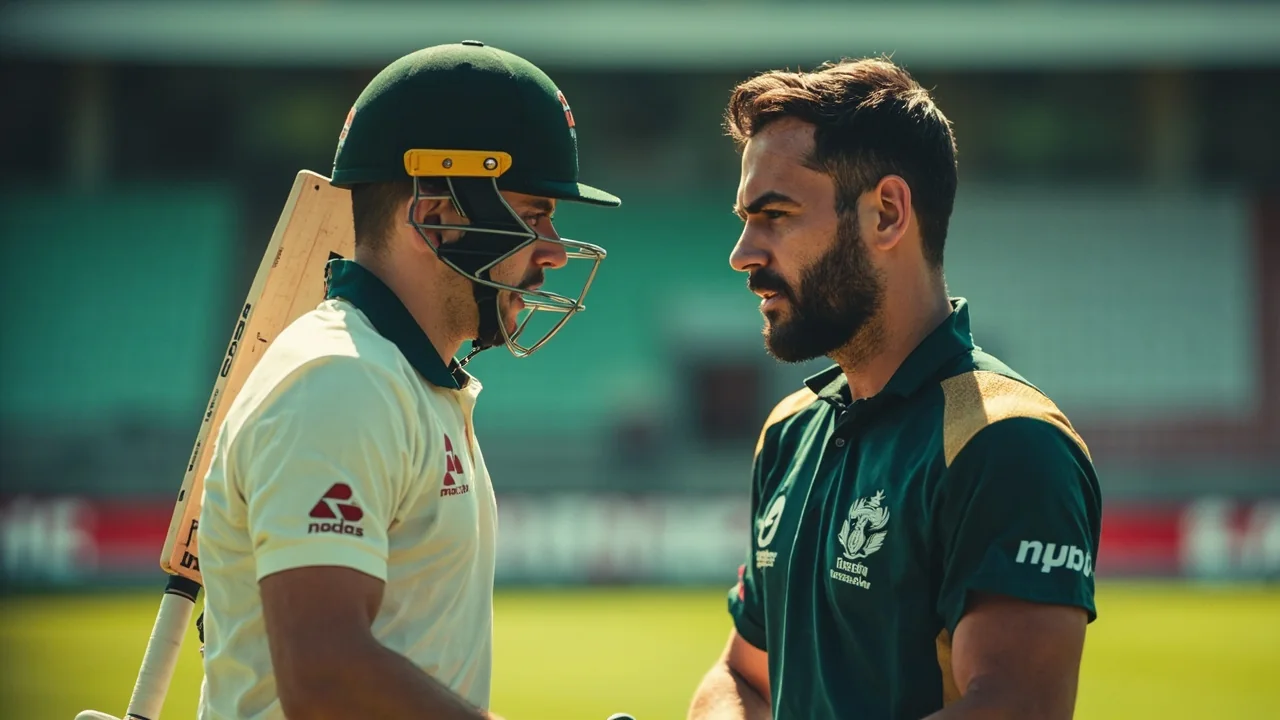
The matchup layer under the captain case
Captain cases look obvious in isolation but most of the fantasy edge comes from matchup reads the broadcast desk does not surface. The Oval's bowler-friendly early phase pushes the captain-case toward the second-innings middle order, but the death-overs bowler matchup — slower ball versus power hitter — is where the ceiling differential lives.
What to watch at the toss
The toss call is the single most important variable for opening-night fantasy selection. The Oval's dew window and the bowler-friendly early-phase surface push both captains toward a chase, but the captain who wins the toss and bowls first also opens up the death-overs bowler matchup for his own side — the bowler gets to bowl in the powerplay and again at the death, which compounds the credit value.
If Sunrisers Leeds win the toss, the chase-friendliness read strengthens the desk's captain case for the Sunrisers' middle-order batter. If MI London win the toss, the same read applies but with the MI middle order. The one scenario in which the desk would revise the captain pick is if the toss lands and the captain who wins it elects to bat first — a low-probability outcome, but one that materially changes the second-innings ceiling. Selectors locking in before the toss should hold the middle-order captain pick and accept the binary.
The other variable to track is the dew arrival. If dew forms earlier than the desk's 7:30 PM GMT estimate, the second-innings chase gets easier and the captain-case for the chasing middle order strengthens further. If dew is delayed, the first-innings total becomes more valuable than the chase and the captain-case rotates toward the first-innings top order. The desk's match-briefing newsletter carries the toss and dew update within fifteen minutes of each event.
When does the lock-in window for Dream11 close?
The Dream11 lock-in window closes at the start of the match (11:00 PM IST). Selectors who wait for the toss must lock in before the first ball is bowled.
How does the 100-ball format affect fantasy points?
Each side faces 100 balls in five-set blocks, rather than the twenty-overs structure of T20. Boundaries and strike rates are weighted similarly, but bowler point values are driven more by dot-ball frequency and wicket-taking delivery than by economy rate alone.
Why is the chase side favoured on the toss call?
The Oval's evening dew reduces grip for the bowlers in the second half of the chase, while the batting surface is measurably easier to score on. The combination of higher run rate and lower wicket probability gives the chasing side a measurable edge.
Which overseas players are confirmed for opening night?
Both sides have named their likely overseas combinations. MI London: Roy, Pooran, Boult, Rashid Khan. Sunrisers Leeds: Marsh, Rickelton, Carse, Abrar Ahmed — though the Sunrisers management could swap Carse for a third overseas batter depending on the toss outcome.